Last Updated: November 26, 2026
Quick Summary
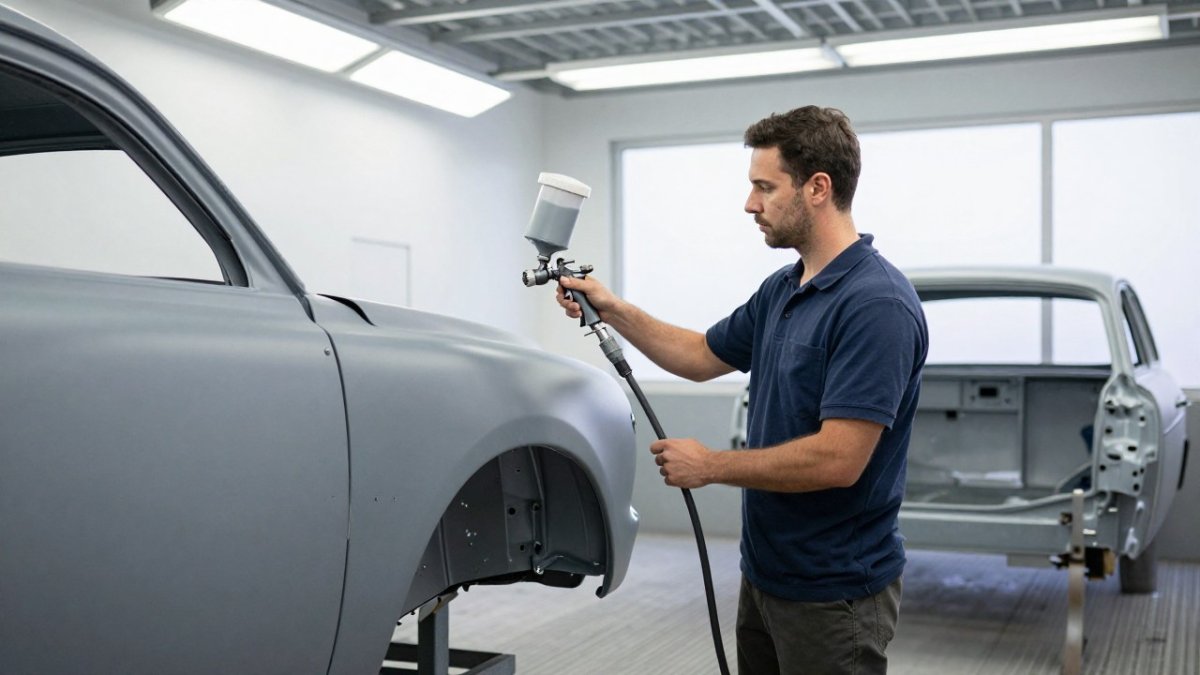
The right automotive primers depend first on the surface material and its condition, then on compatibility with your topcoat. Epoxy primer is the standard choice for bare metal because it adheres well and resists corrosion, while urethane primer suits surfacing and build over filler.
- Match the primer to the material: bare steel and aluminum need a metal-bonding, corrosion-resistant primer.
- Use high-build or polyester primer for heavy scratches and low spots; thinner primer suits clean, prepared metal.
- Check that the primer is compatible with your topcoat and clear before you buy.
- Read the technical data sheet for recoat windows and drying times.
- Measure 2K mixing ratios and flash times exactly as specified, or the coating may fail to cure.
Table of Contents
- How to Choose Professional Automotive Primers by Substrate and Surface Condition
- Automotive Primer Types and the Best Automotive Primer for Bare Metal
- 1K vs. 2K Automotive Primer and Epoxy Primer vs. Urethane Primer: Which to Specify
- Frequently Asked Questions
Choosing the right automotive primers comes down to three things: surface material, condition, and topcoat. A common mistake is reaching for a fast, general-purpose primer on bare steel, which can leave the finish lifting months later.
How to Choose Professional Automotive Primers by Substrate and Surface Condition
The primer you choose depends first on the material underneath and the condition of the surface.
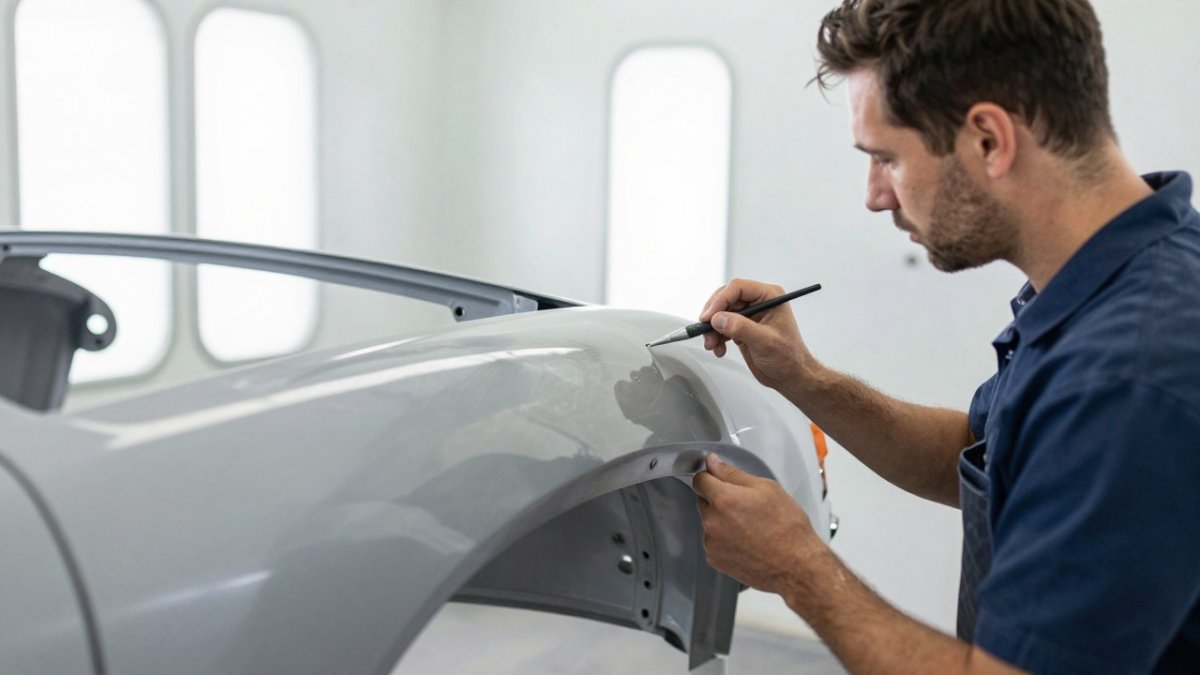
Bare steel and aluminum need a primer that bonds to metal and resists corrosion; sound factory paint needs adhesion and sealing; body filler needs a primer that sands cleanly without softening the filler.
Note any rust, sanding scratches, pinholes or feathered edges. Heavy scratches and low spots call for a high-build or polyester primer; clean, well-prepared metal can take a thinner primer.
Confirm the primer is compatible with your topcoat and clear, and read the technical data sheet for recoat windows and drying times.
Automotive Primer Types and the Best Automotive Primer for Bare Metal
For bare metal, an epoxy primer is the standard choice because it adheres well and protects against corrosion.
Here is how the main categories compare:
| Primer type | Main job | Best used on | Watch for |
|---|---|---|---|
| Epoxy primer | Adhesion and corrosion protection | Bare steel, aluminum, prepared metal | Needs proper flash time before the next coat |
| Urethane primer | Surfacing and build over filler | Body filler, sanded primer surfaces | Must be fully cured before sanding |
| Self-etching primer | Bonding to bare metal in one step | Small bare-metal repairs | Less build; not a substitute for epoxy on large areas |
| High-build primer | Filling sanding marks and minor flaws | Sanding-stage surfaces | Requires careful sanding to avoid over-thinning |
| Polyester primer | Filling deep scratches and surface defects | Scratches, pinholes, minor low spots | Dries hard and can be difficult to sand |
Epoxy primer is commonly used on bare metal because it is designed to resist moisture. Self-etching primer is typically used for small spot repairs rather than a full base on larger panels.
1K vs. 2K Automotive Primer and Epoxy Primer vs. Urethane Primer: Which to Specify
A 2K (two-component) primer is commonly used for professional work because it cures into a harder film. A 1K primer cures by evaporation alone.
Epoxy primer belongs on bare metal and anywhere corrosion protection matters most. Urethane primer is used for surfacing, building over filler and sanding smooth. Many shops use epoxy as the base layer and urethane above it for the build.
Mixing ratios and flash times on 2K products are not forgiving. Measure exactly as the data sheet specifies, or the coating may fail to cure.
Speedokote supplies refinish primers and fillers for shops, mobile refinishers and DIY painters. To confirm the right product for your substrate, condition and topcoat system, review the technical data sheet or contact our team for current pricing.
Next step: Before your next job, check the substrate and surface condition against the chart above, then confirm compatibility on the data sheet. Visit Speedokote to browse professional primers and join our mailing list for product updates.
Frequently Asked Questions
What is the best automotive primer for bare metal?
For bare metal, an epoxy primer is generally the strongest choice because it bonds well to metal and resists corrosion. Apply it directly to cleaned, abraded bare metal, then build with a urethane primer or filler above it if you need to level sanding marks or minor imperfections. Always follow the technical data sheet for the product you buy, since recoat windows and mixing ratios vary by manufacturer. Self-etching primers can serve as a quick corrosion barrier on bare metal, but they are usually followed by a non-etching primer or filler for a full paint system.
Is 1K or 2K primer better?
Neither is better in every case. A 2K primer uses a catalyst that cures into a harder, more durable film with better chemical and corrosion resistance, which makes it the usual choice for professional work. A 1K primer requires no mixing and is easier to use for small repairs, but it typically offers less durability. Check the data sheet for the specific product, as mixing ratios, pot life and required safety equipment differ, and 2K products require proper respiratory protection during spraying.
Can you apply automotive primer over existing paint?
Yes, but only if the existing finish is sound, clean and properly scuffed so the new primer can bond. Remove any peeling or failing paint, feather the edges and degrease the surface before sanding. Confirm that the primer you select is compatible with the existing paint system and the topcoat you plan to use. Check the product data sheet for recoat windows and any specific surface prep instructions.
